
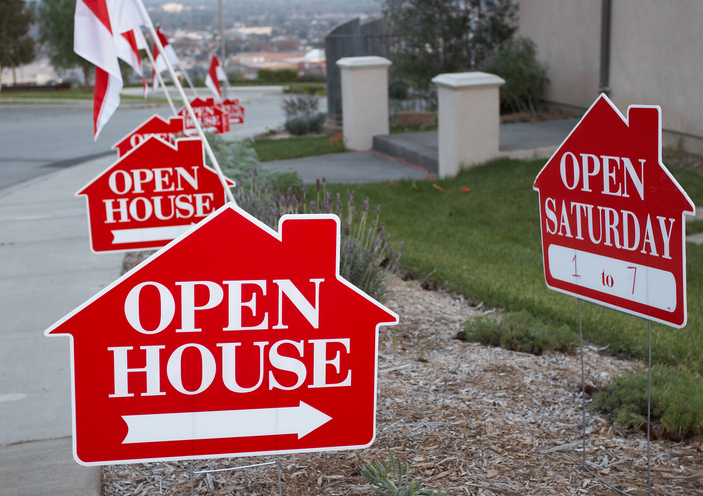
A buyer sees your open house post on Friday, follows your directional signs on Saturday, and takes home a flyer after the tour. Each piece helps move them from simply noticing the listing to actually remembering what they liked about it.
The most effective open house marketing ideas connect those moments. For real estate agents in Bountiful, Woods Cross, Centerville, Farmington, or North Salt Lake, a coordinated plan helps you prepare while giving prospective buyers more reasons to remember the home.
Before the Open House: Promote the Property Early
Early promotion gives prospective buyers time to fit the event into their schedules. The property address, event hours, and a few standout features provide a foundation for each message.
Different channels serve different purposes:
- Postcards or direct mail: Neighborhood invitations can reach residents who know interested buyers or are considering a move themselves.
- Flyers: Printed invitations give agents something to share through their office or approved community locations.
- Coming Soon or Open House signage: A sign or rider can introduce the event to people already passing the property.
- Social media: Property photos, event announcements, and reminders can generate interest and make the details easy to share.
- Email marketing: An invitation to relevant contacts can highlight property features, share a listing link, and keep the event on interested buyers’ calendars.
- Online listings: Accurate event details make it easier for buyers researching the home to attend.
Production and delivery timing help determine which channels fit your event schedule.
During the Open House: Help Buyers Find the Property
Open house signs help connect the routes buyers travel with the home they’re coming to see. The right number and placement depend on where the property sits and how visitors will approach it.
How Many Open House Signs Might an Agent Need?
An agent may need one sign identifying the property plus directional signs at each key turn along the approach. For example, a route with two turns might call for three signs: one at each turn and one at the home. Multiple entry routes or confusing intersections may require additional signs.
Where Should Directional Signs Be Placed?
Directional signs are most useful at permitted locations near neighborhood entrances, intersections, and turns where buyers need guidance. Visibility before the turn gives visitors time to recognize the arrow and follow the route. Placement also depends on applicable local rules and the property owner’s permission.
How Can the Property’s Location and Surrounding Road Network Affect Signage Needs?
A property visible from a main road may need fewer directional signs than a home tucked inside a subdivision. Winding streets, multiple neighborhood entrances, cul-de-sacs, and similar street names can create more points where visitors need guidance. Reviewing the likely routes beforehand helps agents estimate sign quantities and identify useful locations.
Different custom real estate signs fill different roles. Directional signs guide visitors, yard or post-and-panel signs identify the listing, and custom riders add event details to existing signage.
What Should an Open House Sign Include?
The best information depends on where someone encounters the sign. A driver approaching an intersection needs a clear arrow, while a visitor outside the home has more time to read.
Common elements include:
- Prominent “Open House” messaging
- Directional arrows where appropriate
- Agent or brokerage branding
- Contact information
- The property address when useful
- Event date and hours when relevant
Readable type and strong contrast help the main message stand out. Consistent colors, logos, typography, and wording also help visitors recognize the agent or brokerage across signage.
During the Open House: Start the Experience at the Door
Once buyers arrive, an organized welcome area helps them settle in and find information, even when the agent is speaking with another visitor.
Welcome signage or a custom promotional poster can introduce the property or highlight distinctive features. Nearby flyers, feature sheets, and business cards give guests an easy place to gather details.
Branded folders may be useful when a listing has several supporting documents. A sign-in sheet or digital form can support follow-up. Include a brief explanation of how contact information will be used and an option to request additional information.
Should You Use Property Flyers or Brochures at an Open House?
A one-page flyer often works well for a straightforward overview. A brochure provides more space when additional photos, floor plans, or distinctive features help buyers understand the home.
Either format can include:
- Clear property photos
- Key features and current listing price
- Verified square footage and property specifications
- Agent contact information and brokerage branding
- A QR code or short link to additional listing information
The choice between flyer and brochure comes down to how much information buyers need and how the piece fits the listing’s marketing strategy. Accurate details, working QR codes, and an easy-to-scan layout make either option more useful after the tour.
After the Open House: Keep the Conversation Going
Follow-up is most useful when it reflects what an attendee asked about. A requested floor plan, clarification about a feature, or invitation to another showing gives the conversation a specific purpose.
Current property materials can remain available for future showings. Changes to pricing or listing status may require updated flyers, signs, or riders, while reusable branded pieces can support upcoming events.
Visitor questions can also inspire open house marketing ideas for future events and continued digital promotion. If several attendees asked about the layout, a floor plan or walkthrough link could be a helpful focus for future materials.
Consistent Branding Helps Visitors Remember the Agent
Open house attendees may include active buyers, neighbors considering selling, future buyers, and potential referral sources. Their interest in the property may vary, but each interaction is an opportunity to become a familiar local resource.
Consistent branding across signs, flyers, business cards, and take-home materials helps connect the experience to the person who hosted it. Visible contact information makes that connection easier to act on later.
For agents interested in ongoing visibility between listings, branded vehicle wraps can also support a broader marketing strategy around the communities they serve.
Open House Marketing Checklist for Utah Real Estate Agents
Before the open house
- Online promotion and neighborhood mail
- Printed flyers or brochures
- Confirmed branding, event details, and sign locations
Getting buyers to the property
- Open house and directional signs
- Visible property signage
- Clear arrows and readable messaging
At the open house
- Welcome signage
- Property flyers, brochures, or feature sheets
- Business cards and branded take-home materials
After the open house
- Follow-up with attendees who requested more information
- Continued listing promotion
- Updated signage and stored reusable materials
Coordinated Open House Marketing Materials Make Preparation Easier
Planning open house marketing materials together allows the same approved photos, listing details, and brand assets to guide each piece. That can mean fewer mismatched details, fewer separate orders, and a more consistent experience for prospective buyers.
AlphaGraphics Bountiful helps agents in Woods Cross, Centerville, Farmington, North Salt Lake, and nearby communities coordinate directional signs, property flyers, postcards, and branded materials.
If you’re planning how to market an open house, AlphaGraphics Bountiful can help you choose signage and printed materials that fit your listing, budget, and timeline.
Request a quote online to get started.
